Tuesday, August 31, 2010

זכרונות, רגשות ואחדות - Memories, Feelings and Unity

 זכרונות, רגשות ואחדות
מי היה חושב שהופעת מוסיקה יכולה לגרום לבן-אדם כל-כך הרבה רגשות חזקים?
אני הייתי עד לאירוע מיוחד שבו הרגשנו בדיוק ככה ויותר.
קוראים לו "מלך העולם."
בישראל הוא מפורסם ואהוב יותר מהמלך בארה"ב, אלויס פרסלי, דומה למה שהחיפושיות עשו לעולם בשנות ה-60 וה-70.
אנחנו מקבלים את מתנתו עשרות שנים ללא הפסקה. אפילו לשמו האמיתי יש משמעות: שלמה ארצי - אחד ממלכי ישראל בארצנו.

הפעם הראשונה שראיתי אותו בהופעה הייתה בקיץ 1996 - כאשר אני ביקרתי בארץ.
מהקיץ הזה הכל נשאר איתי: הטיולים, החברים, הנופים, הריחות, הנסיונות של הביקור לקבר רבין וההופעה של שלמה ארצי. אני הרגשתי שהניסיון הזה היה ממש מיוחד ואני זוכר כמה שמחתי אז

לא מזמן הייתי בהופעה נוספת שלו וכאשר שמעתי את קולו המוכר, נזכרתי בכל אותם דברים וראיתי את הדמיון בין שתי ההופעות. גם בפארק בירושלים. גם בקהל הישראלי. גם עם אותם שירים ועם עוד חדשים.
אבל הפעם הבנתי את המשמעות יותר - לא רק על המילים, אלא גם על מה זה להיות ישראלי, לגור ולחיות בארץ. אני הרגשתי את הכל ברגע אחד והיה נפלא ומיוחד

מכיוון שגדלתי בחו"ל, החיבור שלי לישראל היה דרך מוסיקה ישראלית עכשווית וכתוצאה מכך הנסיון הזה היה יותר מרגש וחזק מכל קונצרט אחר. כל האנשים האחרים שהיו שם גם נהנו מההופעה כמובן, אבל הנסיבות שלי היו שונות - להיות באירוע הזה היה כמו להגשים חלום. באותו לילה הרבה השתנה - כיוון שעד אז עדיין לא הייתי צריך לחלום על ישראל אבל היום אני נמצא כאן ויכול להצטרף לתרבות ולחיים במקום, לראות ולשמוע מקור ראשון. זאת הסיבה למה השירים האלה מוערכים בעיניי בדרך נוספת
בהופעה אני כמעט בכיתי פעמיים. הפעם הראשונה הייתה כאשר שלמה הקדיש שיר לגלעד שליט. אני אפילו לא יכול להסביר את האחדות ותחושת המטרה שהייתה שם.היה די עצוב לדעת שהיינו יכולים להזמין עוד איש להופעה שעכשיו עדיין חסר מאיתנו.
הפעם השנייה שכמעט בכיתי הייתה כאשר שרנו את השיר "ארץ חדשה." שמתי לב שכולנו שרנו ביחד - כל אלפי האנשים שבאו לבלות בקונצרט. כל אחד בקהל הכיר את המילים של כל השירים ושר אותן בקול רם. זה היה מיוחד עבורי והשיר הזה ריגש אותי מפני שאני עולה חדש וסוף-סוף מצאתי את הארץ החדשה שלי.

לשיר ביחד עם אנשים שלא הכרתי באופן כזה מרגש, הראה לי מה החשיבות והמשמעות של "אחינו בית ישראל."
Memories, Feelings and Unity
Who would think that a concert could cause a person to have so many strong feelings?
I was a witness to a special event where we felt just this and even more.
They call him 'King of the World.'
In Israel he is more famous and loved than the 'king' in the United States, Elvis Presley, and has done for Israel what The Beatles did for the world in the '60s and '70s.
We receive his gift for years without a break.
Even his real name has meaning - Shlomo Artzi: one of the kings of Israel, in our land.

The first time I saw him in concert was the summer of 1996 when I visited Israel.
From that summer everything stayed with me: the hikes and tours, the friends, the views and the experiences of visiting former Prime Minister Yitzhak Rabin's grave as well as the Shlomo Artzi concert. I felt that this experience was very special and remember how much I enjoyed it.

Just recently I was at another Shlomo Artzi concert and when I heard his familiar voice, I remembered the same feelings I had during my first Israel experience and saw the similarity between the two shows. In a park in Jerusalem, surrounded by an Israeli audience and with the same songs as well as new additions, too. But this time I understood the meaning more - not just the words, but rather what it means to be Israeli and to live in Israel. I felt the power and significance of it all in one moment.

Because I grew up outside of Israel, my connection to Israel was by way of modern Israeli music. As a result, this experience was more powerful and moving than any other concert. All of the other people who were at the concert also enjoyed it of course, but my circumstances were different - to be at this event for me was like a realization of a dream. In the same night a lot changed - I still don't need to dream about being in Israel. I am here now and can participate in the culture and the life here, to see and to hear it from the source instead of envisioning it through music. This is why I value these songs in an additional way.

"Let Him Return Home"
Twice at this recent concert I became emotional. The first time was when Shlomo dedicated a song to Gilad Shalit, the Israeli soldier held hostage in captivity. It is even difficult to express the unity and feeling of a common goal that was especially present then. It was also incredibly sad to know that we could have invited someone else to the festivities who is still missing.

The second wave of emotion was when we sang the song 'New Land' (Eretz Hadasha). I noticed that we all sang together - all of the thousands of people who came to enjoy the concert. Everyone who came to the concert knew the words to all of the songs and sang them enthusiastically. It was a special thing for me and the particular song struck me since I am a new immigrant here and can relate very directly to its meaning since I am just finding my new land.

To sing together with people that I hadn't met before in such an emotional manner showed me the importance and meaning behind "our brothers of Israel."

Sunday, August 29, 2010

Festival Finale

And for the fourth Monday in a row (which, in Hebrew, is called 'Yom Shaynee' (Day Two) and can be confusing since I had always reserved that position for Tuesday) I ventured to Jerusalem's esteemed open air market, Machaneh Yehuda for the cultural festivities. Similar to each of my previous experiences, I saw and partook in new and unique activities for this adventure as well. Though I was pretty exhausted from walking around during the day, I did end up having another pretty cool experience there. Two very different food artists crafted some work. One provided free samples of sliced watermelon to onlookers, taking the rinds of the fruit and nailing them to a board; needless to say I did not end up staying to find out the end to that show. The second craftsman might be considered a food sculptor and had numerous examples of fruits and vegetables that were his equivalent of a meticulously manicured bonzai tree. It was at this latter booth that I stopped to take pictures and in doing so became estranged from the tour of the market that I had previously joined. This tour was a pretty cool thing: the guide-ess informed us of the history of the neighborhood, the market itself and changes that had taken place over the years. For example, a bit about the transformation from a solely food-based exchange to the establishment of cafes and chic designer clothing stores. It was also fulfilling that my Hebrew has already progressed to a point where I can join such activities and not wander about aimlessly.

In fulfilling my desire to commission my very own poem, I paid the hefty sum of 1₪ (that's one shekel) and kindly requested a song about my new aliya experience, pictured here (with a translation beneath...that somewhat rhymes/jives better in Hebrew).

I was pretty happy to have received the esteemed composer's words. Despite (or perhaps because of) the cynical manner in which he characterized Israel, it gave me both inspiration and something physical to hold on to to remember the experience of my beginning here (another collectible, I guess).
Aliya
Zionism is not a thing that comes easy
With enemies surrounding
a crazy, furious state
hungry for success
Living in an island of poverty, craziness and confusion
And I live with her
Walking through the main thoroughfare of the market, past the Moroccan man playing old religious tunes on the electric guitar, around the leather-skinned gentleman who brandished both an impressively bushy, curly mustache to go with his sombrero, there was a watermelon eating contest. It was a pretty funny spectacle to view, adding to the eclectic atmosphere of the market. Even across the seas the same theme still resonates: it ain't over 'till the fat lady eats (and she did win by a long shot).

The final festivals I attended were Festival b'Shekel, a neighborhood music event featuring top artists for the cost of a shekel (just so everyone could be able to attend) and a Friday concert series in Sacher Park, replete with extreme sports and a skateboard park filled with kids - religious and secular, guys and girls, Ashkenazi and Sephardi. With the end of the season of the shuk activities and with the closing days of August, festival season came to a climactic close. Balabasta Shuk Tuesdays, atop the other civic additions to the atmosphere of the days and evenings, filled an old cornerstone of Jerusalem with an electricity I hadn't seen here for years.

Wednesday, August 25, 2010

Day Tripping to Zichron Ya'akov

For the ceremonial cost of a mere 25 shekels, I went with the ulpan North to visit Zichron Ya'akov, where we learned about the history and origins of the town, its establishment and significance in Israel's development. Our first stop was Ramat HaNadiv (which translates to the Heights of the Benefactor), the beautifully manicured gardens are still maintained by the Rothschild Family and is the final resting place of Baron Edmund de Rothschild. The gardens themselves cover over 17 acres of parks and pathways with an additional 1,000 acres of park land surrounding it. On the entrance to the parks the Rothschild family crest (today it would be more like a family logo, if ever there was such a thing) displays five arrows, each representing the Rothschild sons.

After touring the gardens and enjoying rubbing my thumb and forefinger around a series of herbs grown therein to appreciate their respective smells, our spunky, young Israeli guide, Birkatya (God's blessing) starting providing us with some color on the town of Zichron Ya'akov, marking my first official tour in Hebrew. She also took us by one of the wineries (next time I'll have to come up here for some more wine adventures as it is right in the heart of Israel's vineyards) where we made a toast to our new start in Israel and enjoyed some local red. After touring the town a bit, some of my fellow immigrants who hail from Ethiopia invited me to sit with them for lunch - the best invitation I had received in a while. Ever since Mama Desta closed in Chicago, I have been missing Ethiopian ingera and food. Flavorful and filling! Just before leaving Zichron, I passed a restaurant's sign that seems to have locations around Israel, providing food and laughter for all. The mix of the Hebrew font, the Thai city and the Chinese cuisine for "Chiang Mai Chinese Restaurant" provide one enough fodder for some light laughs and conversation.

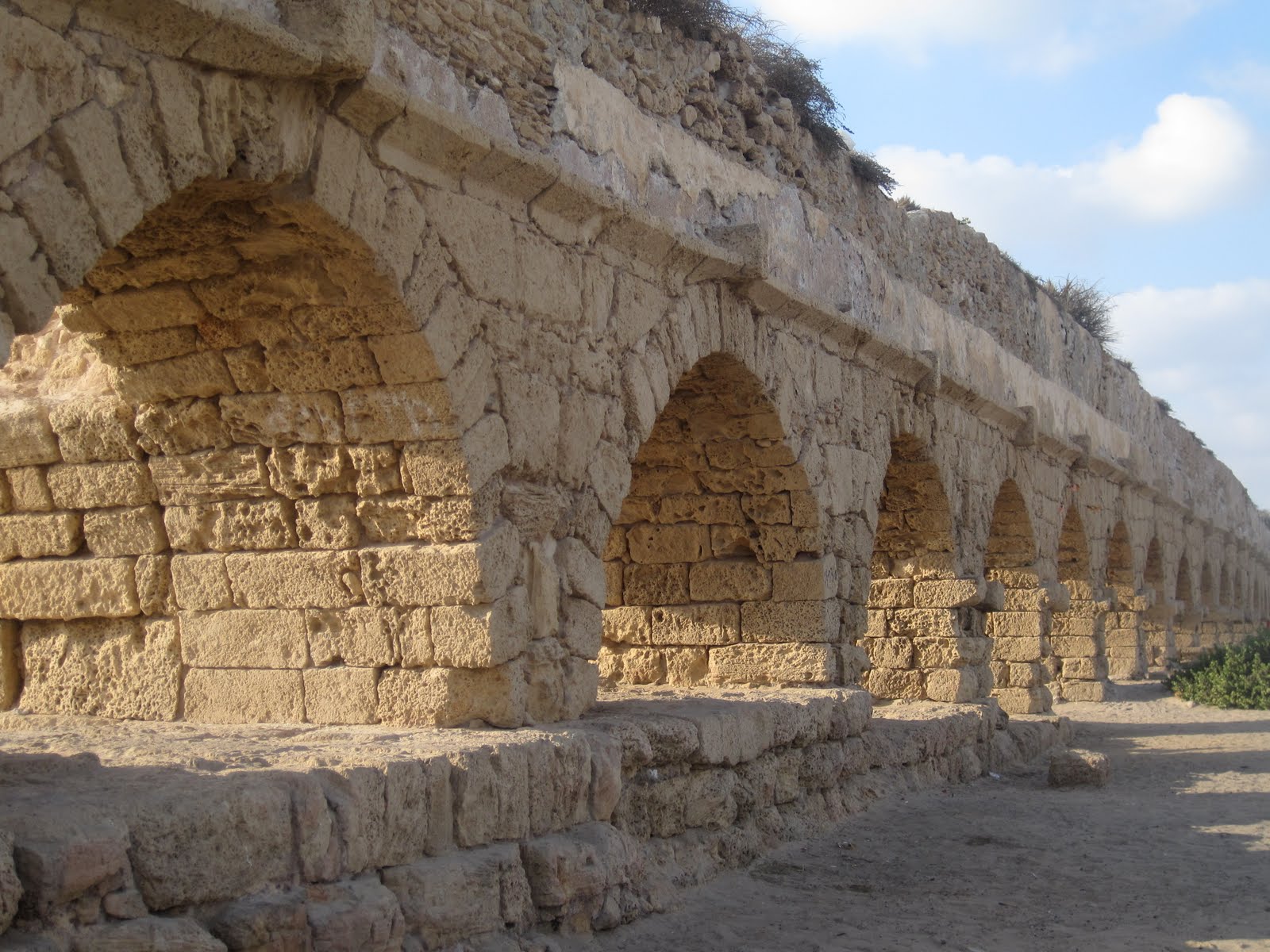
We continued touring in the area, the next highlight surely being the visit to the 'Acqueducts Beach,' called such because of the Caesarean acqueducts built parallel to the coast line. Just North and South of Caesarea are, in what might be tough to disprove, Israel's finest beaches. Clean sand and water and typically a decent ride in the waves can be found. A pretty fulfilling way to end the day's mini-adventures.

Tuesday, August 24, 2010

Donations Go Both Ways

Tonight I headed to some event hosted by Nefesh B'Nefesh, the organization that ever so courteously chartered the plane that got me here.

On the way over, my friend Rachel and I noticed that someone who worked at a bakery along the way set out a tray of pastries. What a nice welcome present for passing their shop. I felt like I was back at home with my family for a minute, sampling every dessert on the menu. So a big thank you to Tufiney in Emek Refa'im for giving me an eclectic array of sweets to stuff in my mouth. (Not a paid endorsement but hopefully a measure that will ensure continued free samplings).

Just a quick step across the street was the event.
I watched a few Seinfeld episodes that were projected on a big screen outside with some friends and then went to give of myself to Magen David Adom, Israel's Shield of David ambulatory care services. Being only the second time that I've ever done this (the first was in Be'er Sheva in 2004 also with MDA), I was slightly nervous, given I've almost passed out from blood tests. (In my defense, that experience was after I was required to fast until a mid-afternoon appointment). However I was more confident going into the experience that my sugar level was quite high enough to keep me conscious.

my blood
Just as I sat on the bed to become the patient/victim/philanthropist, I asked my standard pre-taking-blood-from-me question: "have you ever done this before?" The medic wasn't too impressed. Or maybe my Hebrew version just didn't translate quite right. Or possibly she had seen buckets of blood that evening and it had become a tired routine. Either way, in and out went the needle and a bag of my finest spirits later, I felt pretty good about giving back to the society here. And rewarded myself with imitation Sunkist and yet more sweets.

Monday, August 23, 2010

תגובה חזקה לכל מתנגדי הרכבת הקלה - Strong Response to Those Against the Jerusalem Light Rail Project

 זוהי תגובה חזקה למאמר שהודפס בעיתון "הארץ" מאת ניר חסון. ו

לירושלים תהיה מערכת חדשה לתחבורה. כרגיל, הציבור מתלונן על כמה דברים בשני הצדדים. לא תמיד טועים בהחלט אבל גם לא צודקים ללא ספק. אחת מהמחלוקות היא הסקר שהחברה שבונה את הרכבת ותפעיל אותה מעבירה לכמות נוסעים עתידיים. שתי השאלות האחרונות בסקר בוחנות הרגשות של תושבי ירושלים על יחסים עם הערבים באזור שיוכלו לנסוע ברכבת גם. לפי דעתי, השאלות האלה הן מיותרות ואין צורך או סיבה עליהן. עפרה בן-ארצי, שהייתה אחת מהנשאלים, הגיבה לסוקרים בצורה כועסת ולא רציונלית. היא אמרה שהסקר הוא גזעני ולא היה שואלים שאלות כאלה בלונדון או בניו יורק. היא המשיכה: "אני לא מתכוונת להשתמש ברכבת כי היא עוברת בשטחים." ו

קודם כל, ישראל נמצאת במצב אחר לגמרי מאנגליה ומארה"ב - במיוחד ירושלים. העובדה הזאת היא נוכחית בחיים היום-יום בארץ ואפשר לפרט את זה לדוגמאות רבות של המציאות שאנחנו חיים בה. שנית, גברת בן-ארצי בחרה לקרוא למזרח ירושלים "השטחים," הטענה שלה מוגזמת ומציגה נקודת מבט המעוניינת בהחרפת הבעיה במקום לעזור כדי לתקן את זה. ו

אני שואל אותה: אם מסלול הרכבת לא היה עובר בשכונות פלסטיניות מה היית אומרת על זה? במטרה להגן על הרכבת ומסלוליה, אני חושב שהיא הייתה כועסת ביותר וזועקת שהעירייה גזענית, אילו הוחלט שהרכבת לא תשרת את הפלסטינים. מכיוון שהדור החדש של תחבורה ציבורית בעיר יהיה זמין לכולם בלי מחשבות על דת, צבע עור ואזרחות לטובת שוויון, תבוטל לחלוטין הטענה שישראל שוב מתעלמת מהאוכלוסייה הפלסטינית. ו

כדי לתמוך בנקודה הקודמת, אוסיף:ישראל נמצאת במצב בטחוני שונה מכל המדינות האחרות. בגלל מצב הביטחון ואיומים קבועים, הממשלה ומנגנוני הביטחון מוכרחים לפעול ולשמור על אזרחי ישראל נגד הסכנות הנוכחיות האלה. מפני שהנסיעה הראשונה של הרכבת הקלה תהיה בעוד פחות משנה ואולי תפעל החורף ועדיין אין תהליך או מערכת מאורגנת ומסוימת לאבטח אותה מפיגועים יש בעיה גדולה ומדאיגה. עם נוסעים ערביים או בלי, יש צורך חזק להתייחס במערכת הזאת אל הדאגה הביטחונית ולרעת עתיד הרכבת שלא חשבו על המצב הביטחוני אלא רק על אבן ירושלמית. ו

The following is a strong response to an article printed in Ha'Aretz newspaper and written by Nir Hason.

In the near future, Jerusalem will introduce a new public transportation system.
Like usual, the public is already up in arms and complaining about several items across both sides of the issues.
It is important for the sake of impartiality to recognize that people are not always totally incorrect when arguing passionately about such issues of policy, yet they are also not quite accurate without any doubts. One of the many arguments is centered around a survey of a sampling of future riders, which was distributed by the company that built the train and will operate it. The two last questions on the survey examine the feelings of Jerusalem residents regarding relations with Arabs in the area that will also be able to ride the train. In my opinion, these questions are superfluous and without reason. Ofra Ben-Artzi, who was one of the recipients of the survey, responded to the surveyors in an angry and irrational manner. She said that the survey was racist and that these questions would not be asked in London or New York. She continued: "I do not intend to use the train in any case since it passes through the 'territories.'"

First of all, Israel is found in a situation completely different from England and the United States - especially with regard to Jerusalem. This fact is present in daily life in Israel and it is possible to detail numerous examples of the reality in which we live.
Secondly, Ms. Ben-Artzi chose to call East Jerusalem the 'territories,' which exaggerates her claim and presents a viewpoint that perpetuates the problem instead of helping to fix it.

I ask Ms. Ben-Artzi: If the train's path did not pass Palestinian neighborhoods, what would you say then? In defense of the train and its path, I think that she would be even angrier and would cry out that the municipality is racist if it was decided that the train would not serve the Palestinian sector. Because the new generation of public transportation in the city will be available for everyone without regard to religion, skin color and nationality is for the betterment of equality and completely rebuts the claim that Israel is again ignoring the Palestinian population.

In order to support the above point, I will add: Israel is found in a security situation different from all other nations. Because of this security situation and constant threats, the government and security apparatus needs to act and protect her citizens against these present dangers. Since the light rail train will be inaugurated in less than one year and perhaps even this winter and there still is no defined process or organized system to protect it from terror attacks is a considerable and worrisome problem. With Arab passengers or not, there is a strong need to connect this system to the security concern, as it will be to the detriment of the future of the train that the security situation was not thought through prior to its launch and that there was more focus on maintaining its character with Jerusalem stone.

By Day & By Night - Machaneh Yehuda Explored

Jerusalem Overview
Today was our first ulpan outing and, convenient enough, it was a few hours tour around some Jerusalem neighborhoods to give us a good idea of her boundaries and what lies on the outskirts of the city. The highlights (according to the esteemed author) included a stop at Hebrew University's Mount Scopus campus, overlooking both the western and southern neighborhoods as well as providing a scenic view of the West Bank and a nice anchor of nostalgia from when I used to go to school there. I also enjoyed seeing the areas that were surrounding the ulpan that I wasn't familiar with and learning some of the back stories of the recent and ancient events that took place right around where we live.

Return to Shangri La
As promised, for the third week in a row I returned to the Machaneh Yehuda open air market to enjoy the festivities of the day. This time, I got there during the daylight hours and really appreciated a lot more of the variety and activities that were showcased. Quite random street performers included a moderately older Yemenite gentleman who played religiously inspired mizrachi (of Spanish/Eastern Jewish influence) tunes on an electric guitar to a welcoming crowd. A young woman who captivated the attention of Jerusalem youngsters as she took them on a tour of the shuk - and even managed to coerce a smile from a friendly pita vendor. An interesting fellow who carved up watermelon to give away...and then proceeded to nail the spent 'crust' to a wooden board. A Sephardi band that kicked up quite a scene, inspiring some improvisational dancing amongst a 7 year old and an 80 year old while onlookers assembled in nearby chairs and some played intense matches of shesh-besh (backgammon). There was also an interesting sort of subdued departure of creativity: a table was set up inside one of the market aisles at which two guys sat before a sign that said in Hebrew 'a song for a shekel.' I was certainly tempted to put my silver colored, plastic feeling coin forward, but lacked a theme about which to commission a song. Next week it will be done, so long as the affordable composers show up for work.

Let's pause for dinner.
Mmmm. I've never had any sort of meal in the market before tonight. After walking all over the city to get here, I had to sit down and take a break and reward my stomach with the pleasures that my eyes had envied from all the market stalls. Sheeran and I went to a place that looked pretty packed: Ima, Hebrew for mother. It bridged both main aisles of the shuk and was another opportunity to eat a hearty Moroccan meal. We split an appetizer of a few types of kubeh, which are basically meat and other spiced stuff fried in a dumpling sort of thing. It tastes better than I can describe it, trust me. I had a beef goulash mixed with vegetables and rice and Sheeran got a pretty interesting and flavorful lemony kubeh dish. And on to a bit more wandering after the gorging ended...

As Sheeran watched patiently and then continued excitedly to beat some kids in foosball, I went to watch and join in on some Israeli dancing. It was a pretty great experience again. I enjoy the spontaneity of it and the free spirited fun and warmth that people have with others who they have never met, united with a common goal of celebrating the music and dancing that has been a cornerstone of Israeli culture since its birth. After I was ready to leave, I ran back for more - they had just put on one of my newest favorite songs. I'm not sure what it's called, who sings it or how they fit all of the greatest sounds into that track. I was able to record a bit of it (below) for repeated enjoyment, but had to live the moment and go dance to it as well.

Wednesday, August 18, 2010

Flavor in Everything

Jerusalem 93627
Today I officially became a resident of Jerusalem, as far as the municipality is concerned based on their regulations for purchasing a discount card to special events and museums. The Yerushalmi card, as it is affectionately known, gives me access to discounts of all kinds, which makes everything taste better, naturally.

After buying the card, I went with Sheeran and Sharon, my roommate and his cousin, respectively, to take advantage of the card for the first time. We each bought tickets for the next big show: Shlomo Artzi in Sacher Park. The last time I saw Shlomo Artzi was the summer of 1996, the first year I visited Israel. No doubt it will be an emotional reunion for us, so stayed tuned for the concert report.

Moroccan Meal Aftermath
After hanging out in the city center for a bit, at which point Sheeran was conned into signing up for a credit card (true story), Sharon invited us to her mom's house for dinner. It was quite an incredible feast, though it was just Sheeran and me that ate. The aftermath (pictured) evidences that there were, indeed, nine flavors that were mixed together to form the perfection of the Moroccan feast. To show my appreciation for the abundance of food and hospitality, as well as my eagerness for the next invitation, I helped Sharon mop up the top roof where the kiddie pool provided a nightly relaxation hotspot.

Land of Hops & Honey
The next night we all reconvened, with more of Sheeran's cousins, at the 6th Annual Jerusalem Beer Festival. After pushing my way through the massive line for tickets, I felt like I deserved a decent beer. Though the festival touted over 100 types of beer available, I kept it simple and tried two. The half liter I bought was Triple Carmelite, an 8.4% ABV tasty brew. We listened to some fun live music, put on by a known Israeli band called Girafot. That means 'giraffes' if you couldn't surmise already from the similarly sounding word. After hanging out with other friends we ran in to, I went over and tasted a beer by Israel's Negev Brewery. I wish I had stuck with that label all night - I tasted their paciflora (passion fruit) beer. Quite an experience and flavor explosion of a beer. Where are you sold Negev Beer? I'd like some more, please.